
Updated: 1/15/26

Willow
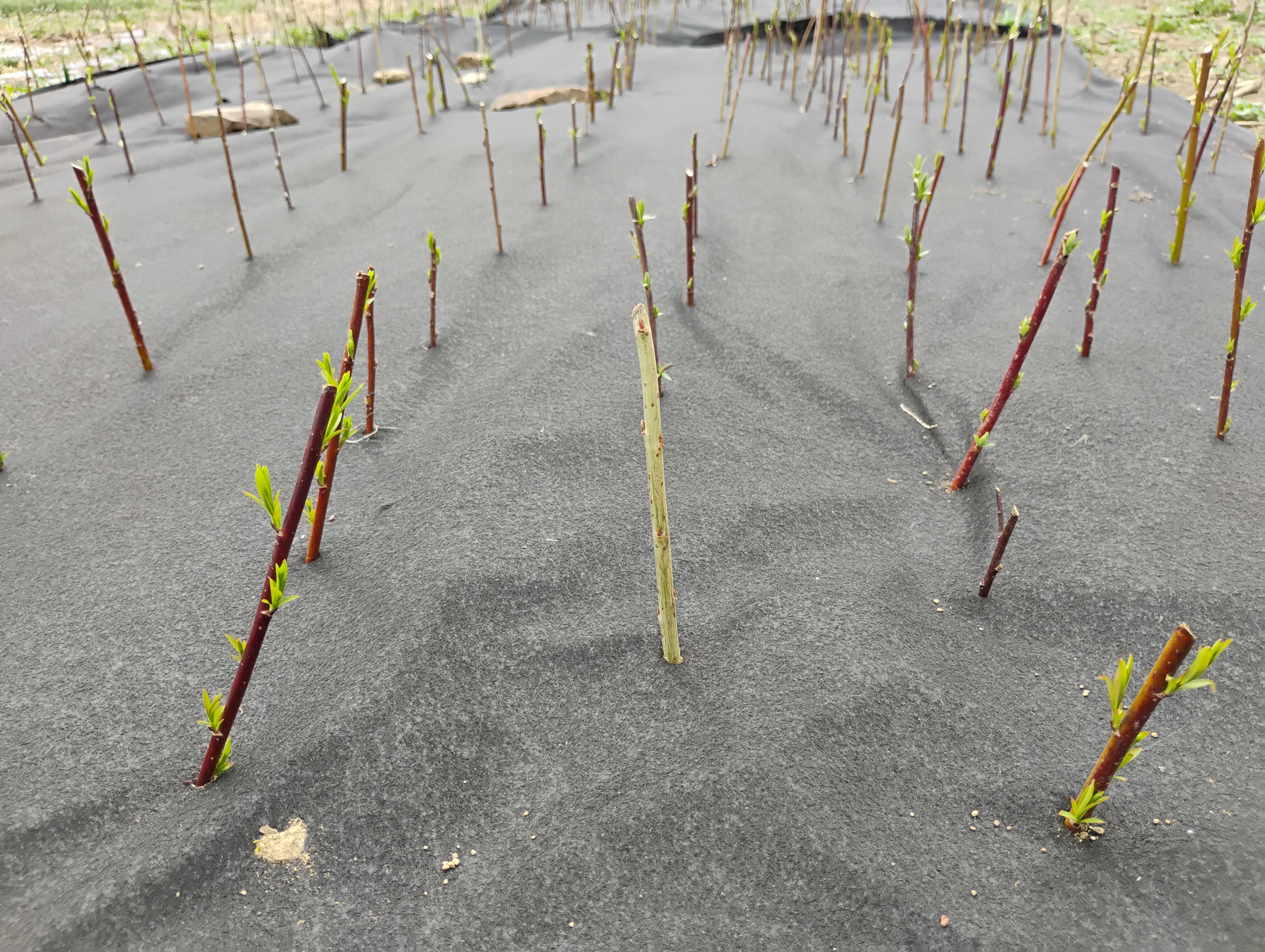
Grown for basket weaving and experiments with sculpting. Varities favored for weaving are being grown, aside from a small amount being grown for cut flowers as pussy willows. After a small investment into cuttings, each year the plants are coppiced with some cuttings replanted to expant the plot and others harvested for weaving. We chose a square planting with 6″ spacing that are planted in a full ground coverage of landscape fabric. This is done because it was learned fast how hard it is to weed the willow with tight spacing like this when you have aggressive plants like bindweed in the field. Weaving stakes are harvested in early winter and branches for cuttings are left on for a harvest in the first week of March, so they can be immediately replanted as the soil starts warming up. Willow grown for pussy willows are left until they show in March, then coppiced and dried.

Madder
Every year 50′ of madder root is planted for its red root dye. Seeds are started in early in the greenhouse and transplanted after the spring work is rounding out. Each row of madder is then allowed 3 years to grow however we’ve found it ready in some cases after only one. When the roots are harvested a cutting with a grow node is returned to the same spot so the patch will regenerate. We’re thinking that with 4 patches equally around 200′ it could be possible to just rotate between them in this way and possibly not have to keep starting new ones to satisfy our needs.
Indigo
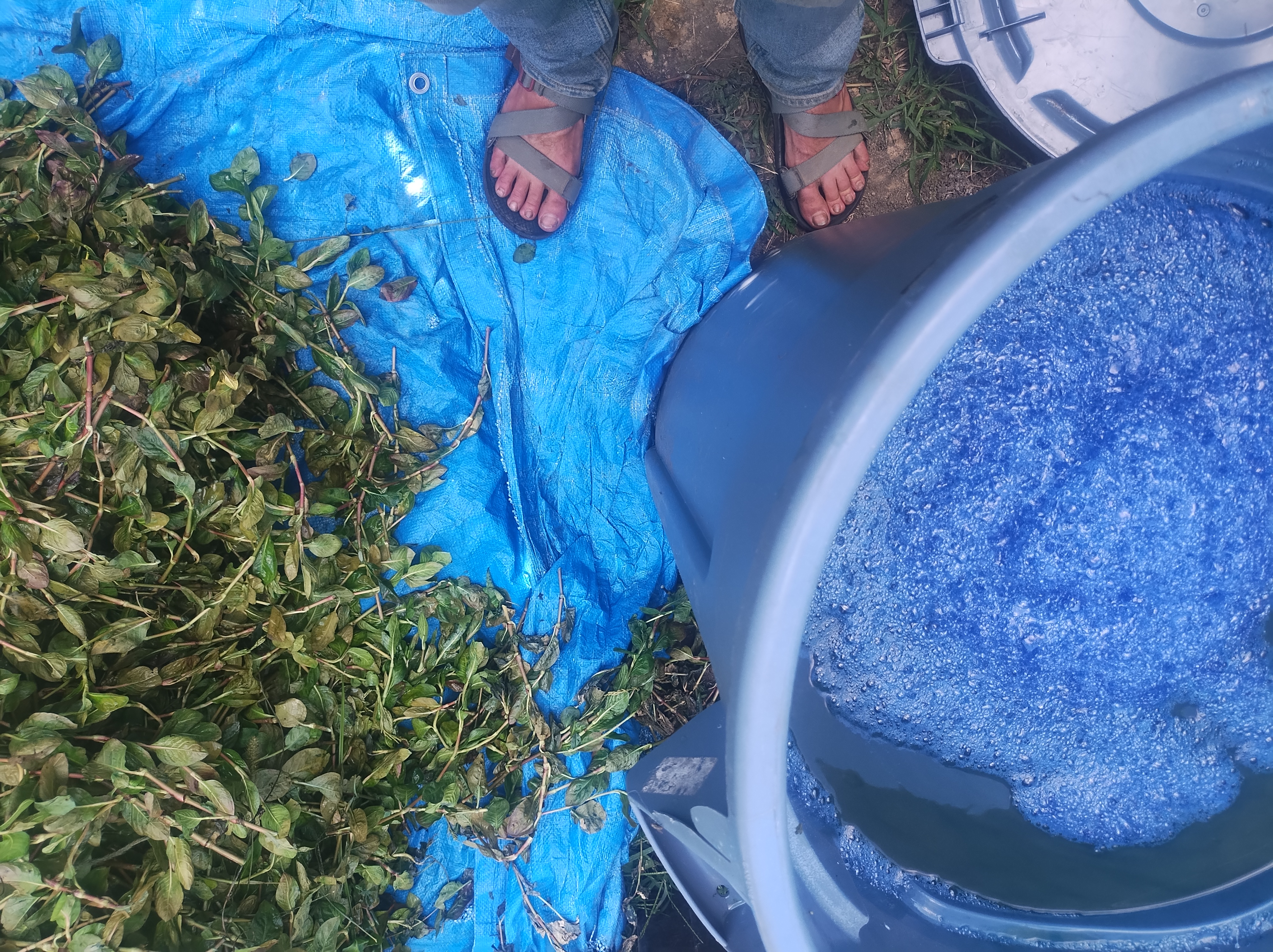
Three types of indigo are grown- Japanese, Woad, and Anil. Anil is an experiement still as there doesn’t seem to be enough green matter in a single season. Woad can handle our cold winters and has showed no leaf die back despite 0 degree temperatures and snow, though we are still working on understanding a system to produce good yields from them passively. Japanese indigo produces the greatest amount of materials within a single season. We have had very hit or miss success with germanation, something we hope to understand better eventually. Many direct sowing attempts have been made and all have failed. This means that at the moment we do all of indigo as starts in the greenhouse which, due to space, limits how much we can plant in the field. However Japanese indigo performs extermely well and we get a big mid-summer cutting and then a modest pre-frost cutting from regrowth. Due to time restraints in July the indigo is processed quickly through fermentation extraction. We always leave the best performing 10′ of Japanese indigo untouched to produce seed.
Cotton
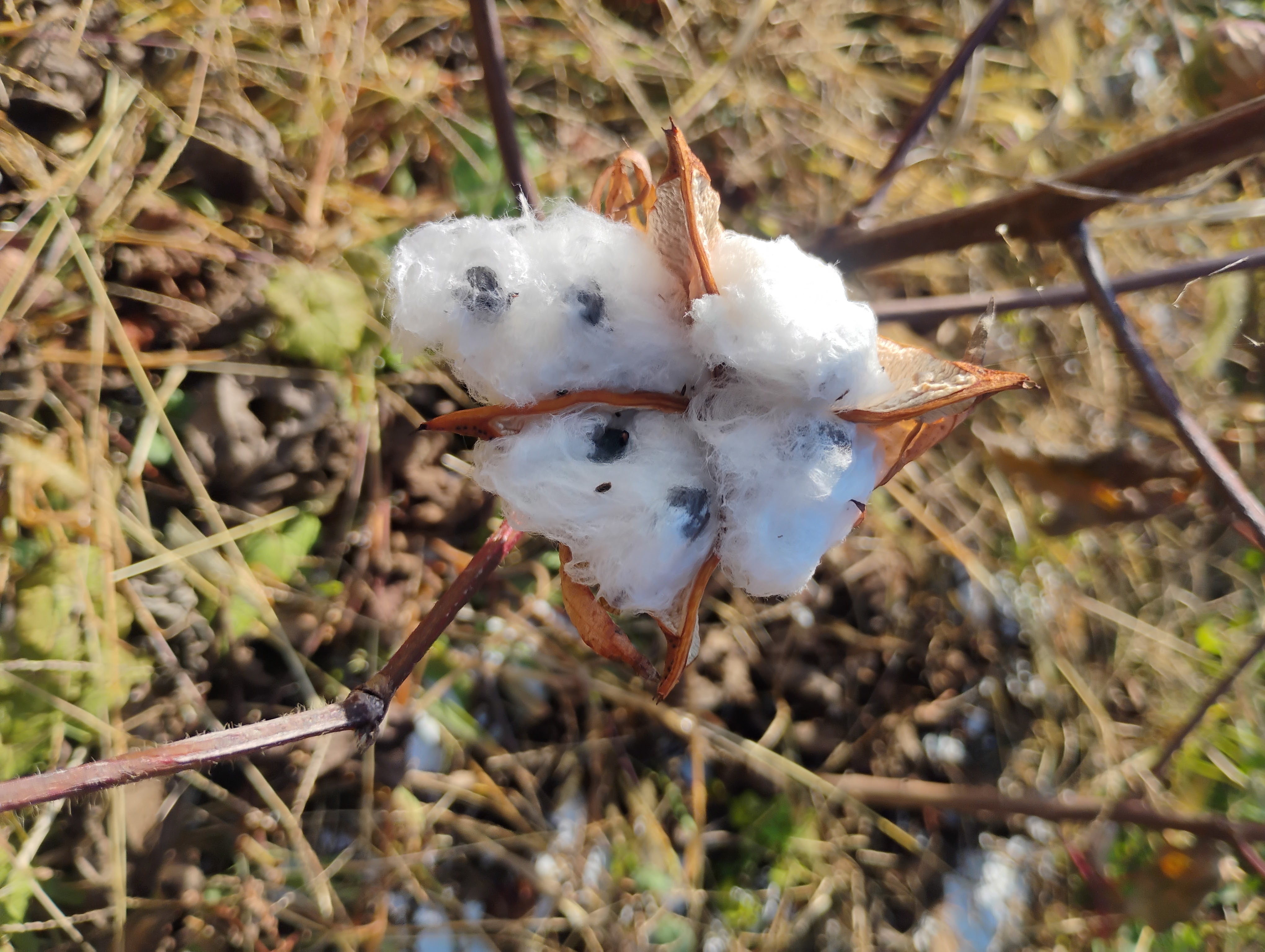
We grow cotton for now as a paper crop to increase the quality of our handmade paper from farmed plants. Because we are more North than ideal for cotton, seeds are started early in the greenhouse, around the same time as tomatoes and then transplanted after the frost date. Due to their similarity we grow them the same as we grow okra, and get a decent, though not perfect harvest. Our fall frosts can halt the opening of many of the bolls. We eventually harvest everything, even the unopened ones depending on weather and condition of the plant and process everything by hand, sorting through what is usable and what isn’t. Seeds are removed also by hand and the fibers are carded.
Flax
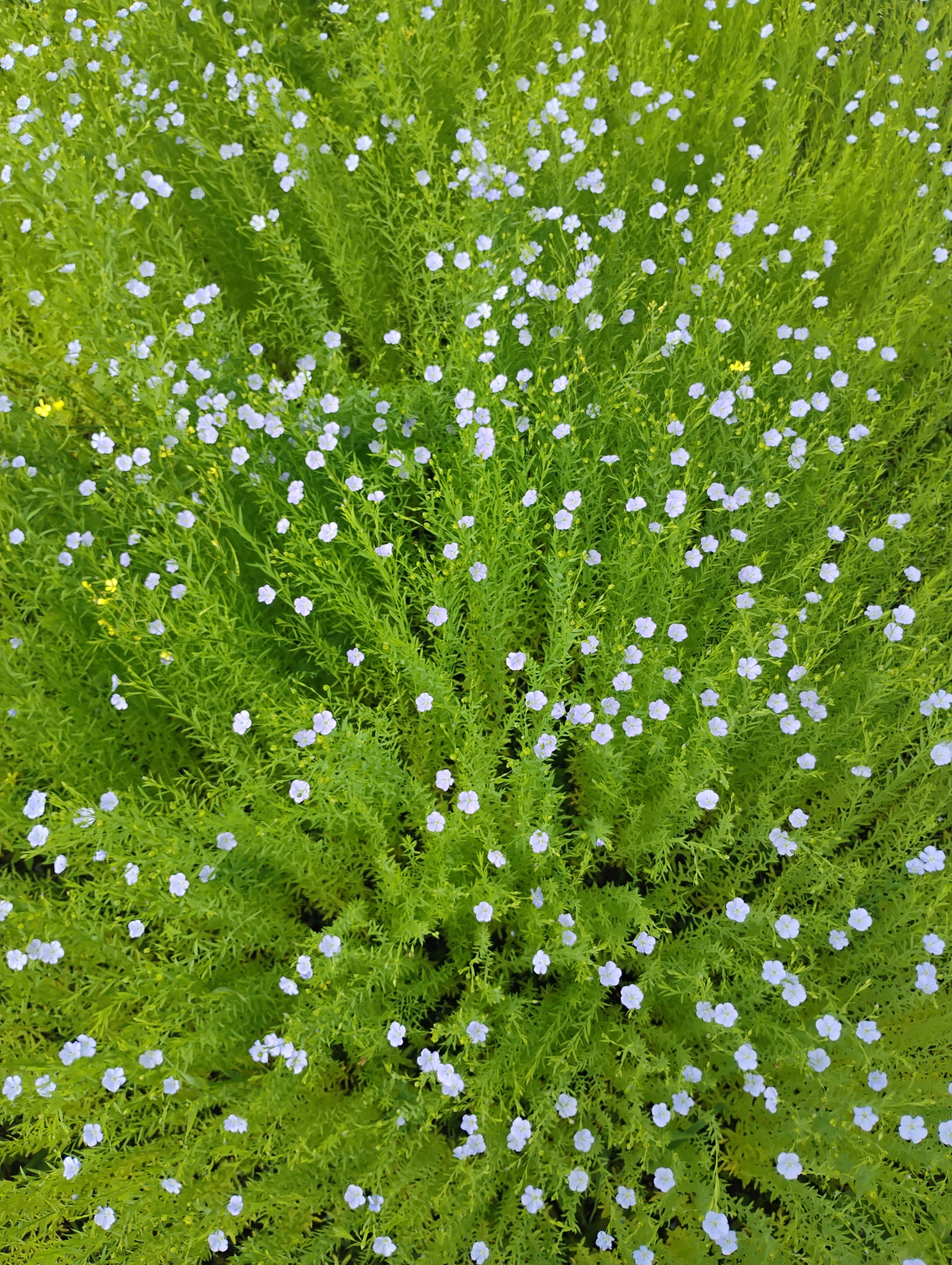
Flax is grown for its fibers for both spinning and weaving and for papermaking. We also use the seeds to press for oil for paint and varnish. Typically we direct sow flax around early May and follow up with a second planting for seed before June 1st. The first planting for fiber is very densely planted together in a squared bed in order to encourage upward growth and fine fibers, while discouraging branching. The later planting is a seed focused planting that is direct sown in typical rows with enough room between the rows for cultivation. The extra space encourages branching that creates more flowers and thus seeds. There isn’t a science behind the two separate times for planting other than to have space between them for processing. The flax for fibers is generally field retted then put in storage. The seed flax is dried and threshed and then put in storage to perhaps ret later on.
Mulberry
We propogated mulberry from cuttings of white mulberry that grows aggressively around the City where we live. We were told its the best mulberry around us for paper, without bringing in the also invasive paper mulberry. Our propogations were made from a male tree so there’s no fruit and much less danger of populating the area the farm is in. The mulberry is coppiced annually with the one year old poles getting steamed and stripped for paper over an outdoor turkey fryer.
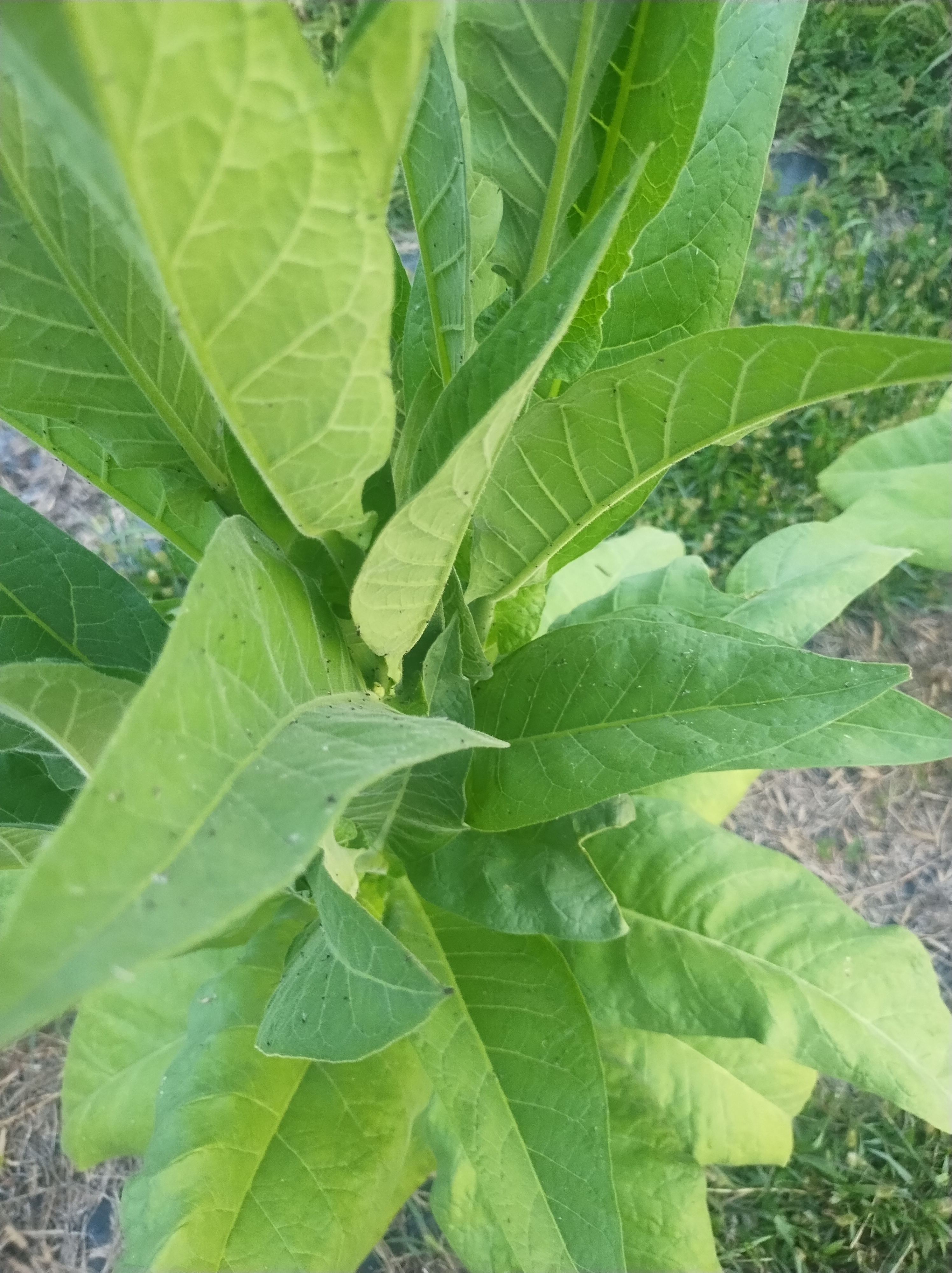
Tobacco
We grow two types of tobacco, one that’s good for cigar rolling, and another that’s good for chopping up for cigarettes. No one at the farm smokes either of those, but the experience of growing and processing tobacco has been a lot of fun. The plants have been very easy to grow every, with minimal effort. We do a staggered harvest as the leaves start to turn yellow, which is really fun. The leaves are then hung to fully dry and then the experiments for processing veer in different directions including rehydrating and rolling the leaves into a tight lozenge and fermenting them in 100% humidity for as long as we can. The main purpose for this crop is to continue to learn the language of natural processing as the techniques of transforming different species of plants have so much to teach each other.
Other Woody Trees
We are currently experimenting with growing wood “crops” in the field through row production. Saplings have been pruned at different heights all below 3′ to create a low pollarded scaffolding to hopefully produce wood for carving and woodworking projects. Species include aspen, birch, and hickory. This one is a real unknown, but will be interesting to participate with as the years go on. We have also done some plantings in another style where the trees are planted 1-2′ apart to attempt to restrain their growth through completition and encourage tall straight trunks. Primarily osage and hickory has been planted in this style. All of these plantings are aimed to have growth that is restrained enough that they will stay within the 10′ spacing between rows that our fruits trees are in. Additionally, we are playing with dwarfing northern pecan trees to make a rowed crop system through heavy pruning. Depending on how that plays out, maybe those trees will be harvested for wood instead.
 Pittsburgh County Fair