
Updated: 1/15/26

Rhubarb
The rhubarb was originally started from seed. Since rhubarb seeds don’t grow true to their parents its more fun for the variation of plant characteristics that evolve. After a couple of years the characteristics are well pronounced and the more sought after ones are divided and replanted for extending the plot. They are one of the first plants in the field to emerge in late winter with little red dinosaur egg growths emerging.
Skirret
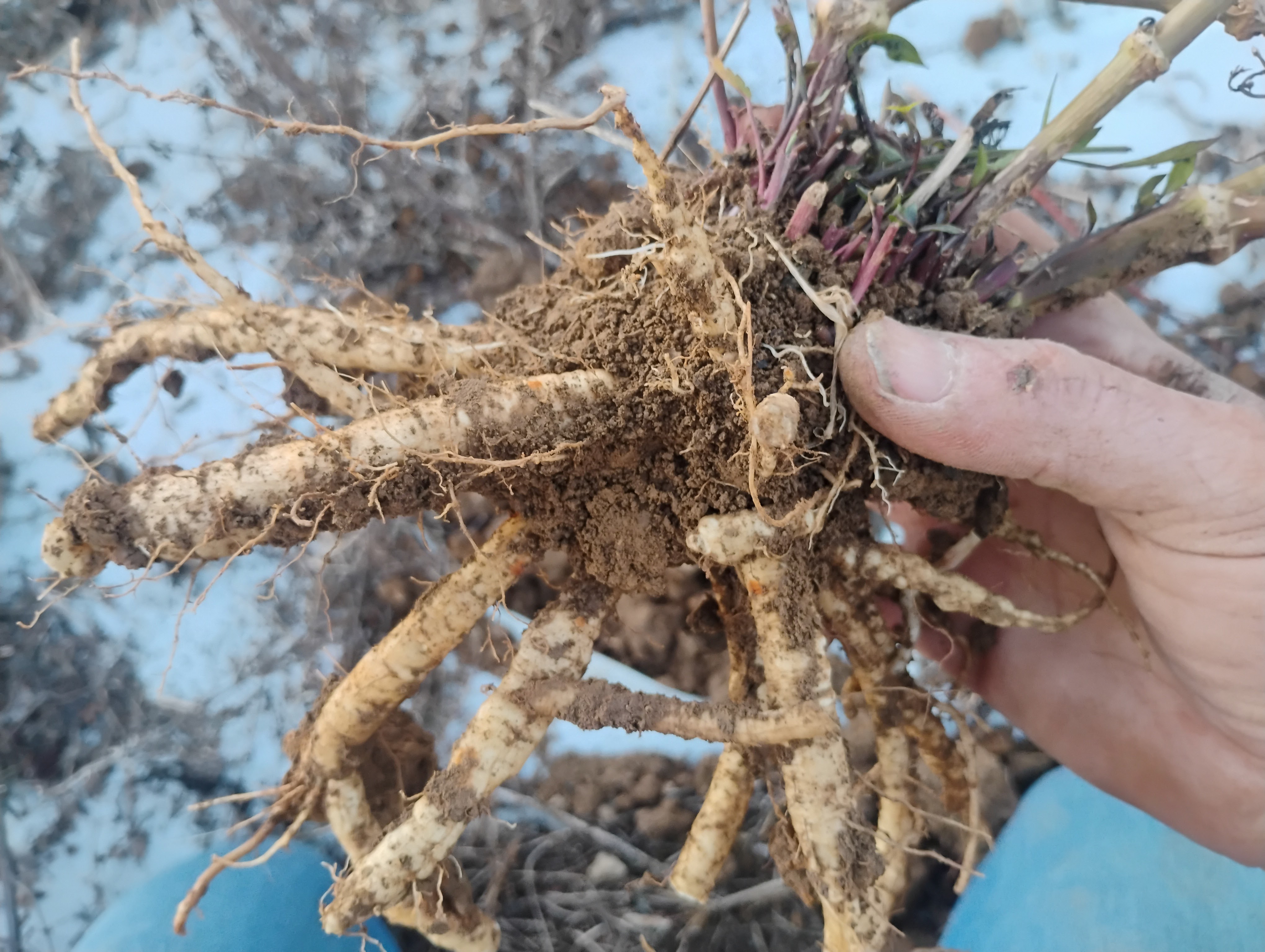
Skirret is a perennial carrot, though it tastes more like a parsnip. It’s said that skirret is sweeter than either, only that there is a lot of variation between roots and the sweetness comes out best when cooked. They grow lots of little finger sized roots, which some can be taken, leaving others behind to continue growing.
Pickly Pear
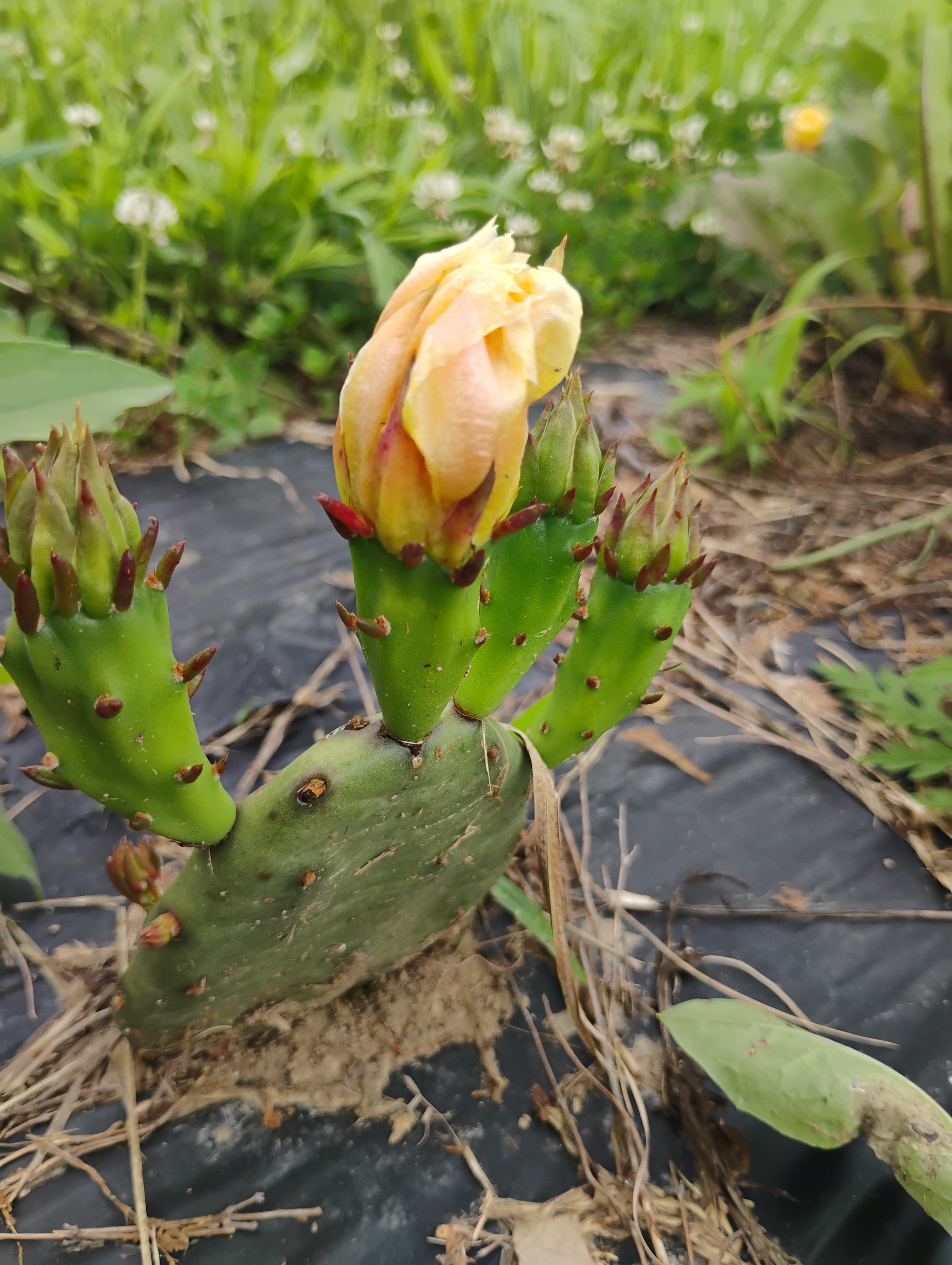
We originially started growing prickly pear for the paddles to eat. Its a slowish growing plant, and we’ve taken the extra growth the past few years to replant and extend the plot. Hopefully soon we’ll start getting a good annual harvest. Even without large flushes of growth we do also get prickly pear fruits as another harvest. The species we grow, Opuntia humifusa, is one said to be native to the northern coastal areas and is hardy to very low temperatures. The paddles propogate very reliably and the plants have done well in some extreme winters. I’ve read about people using the prickly pears as lower fence reinforcement against small animals entering the field. That seems like a neat idea and a possibility we are keeping an eye on.
Asparagus
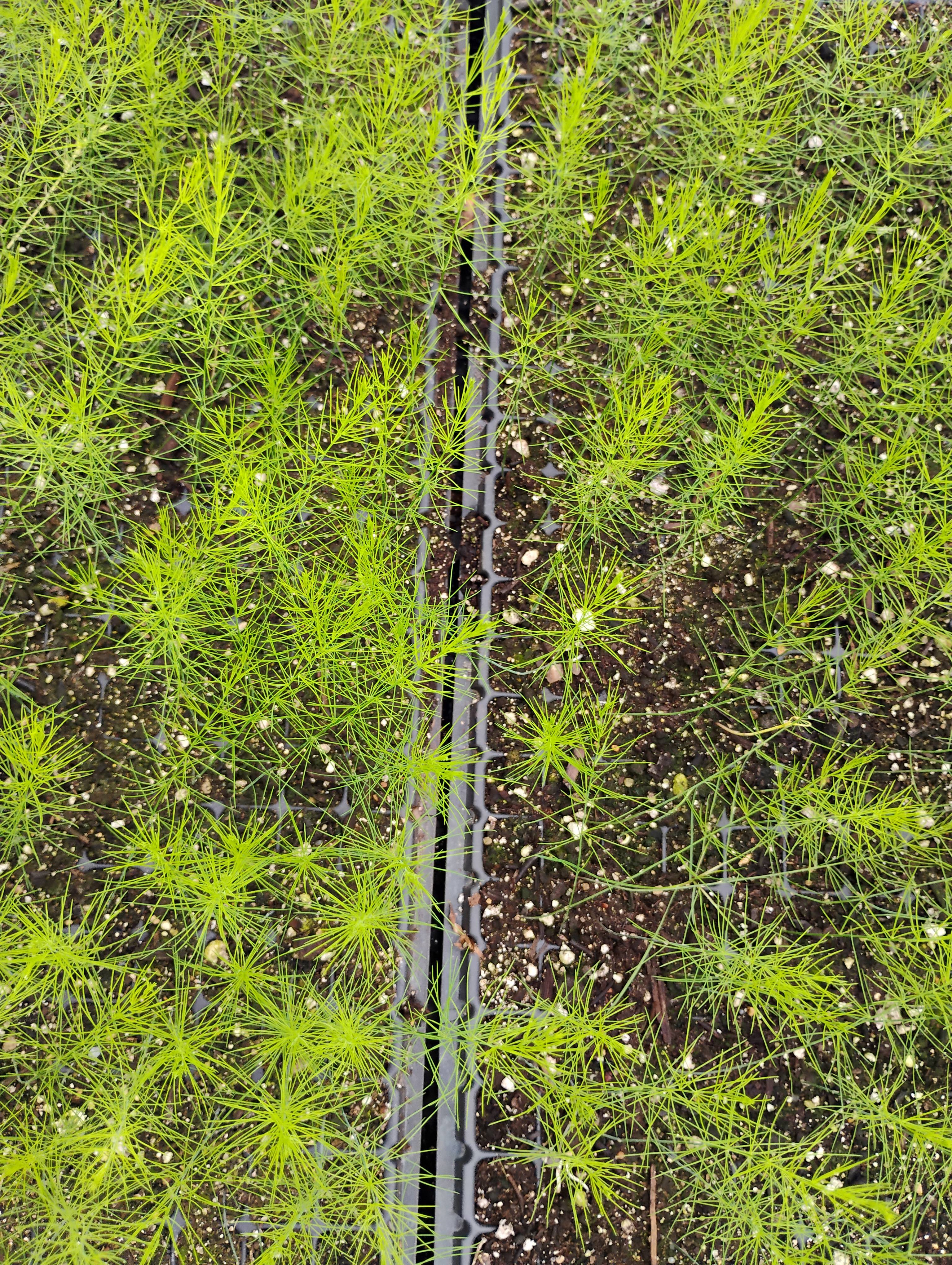
Many of our asparagus have been started from seed because the cost of new crowns are a bit too much money upfront that doesn’t quite have the long term pay off of say an apple tree. It’s amazing how quickly time flies though, and before you know it it’s three years later and you’re picking spears. Asparagus is another crop where it’s fun to start an abundant of seeds every year to let the staggering give you yields while the newer crops are still young. It’s a nice early crop, frankly it’s been a little too early for us in terms of having other crops ready at the same time for a market, but its been a joy to get harvests early in the year when we’re busy doing all the spring work. I’m personally crazy about pickling the spears.
Sunchokes
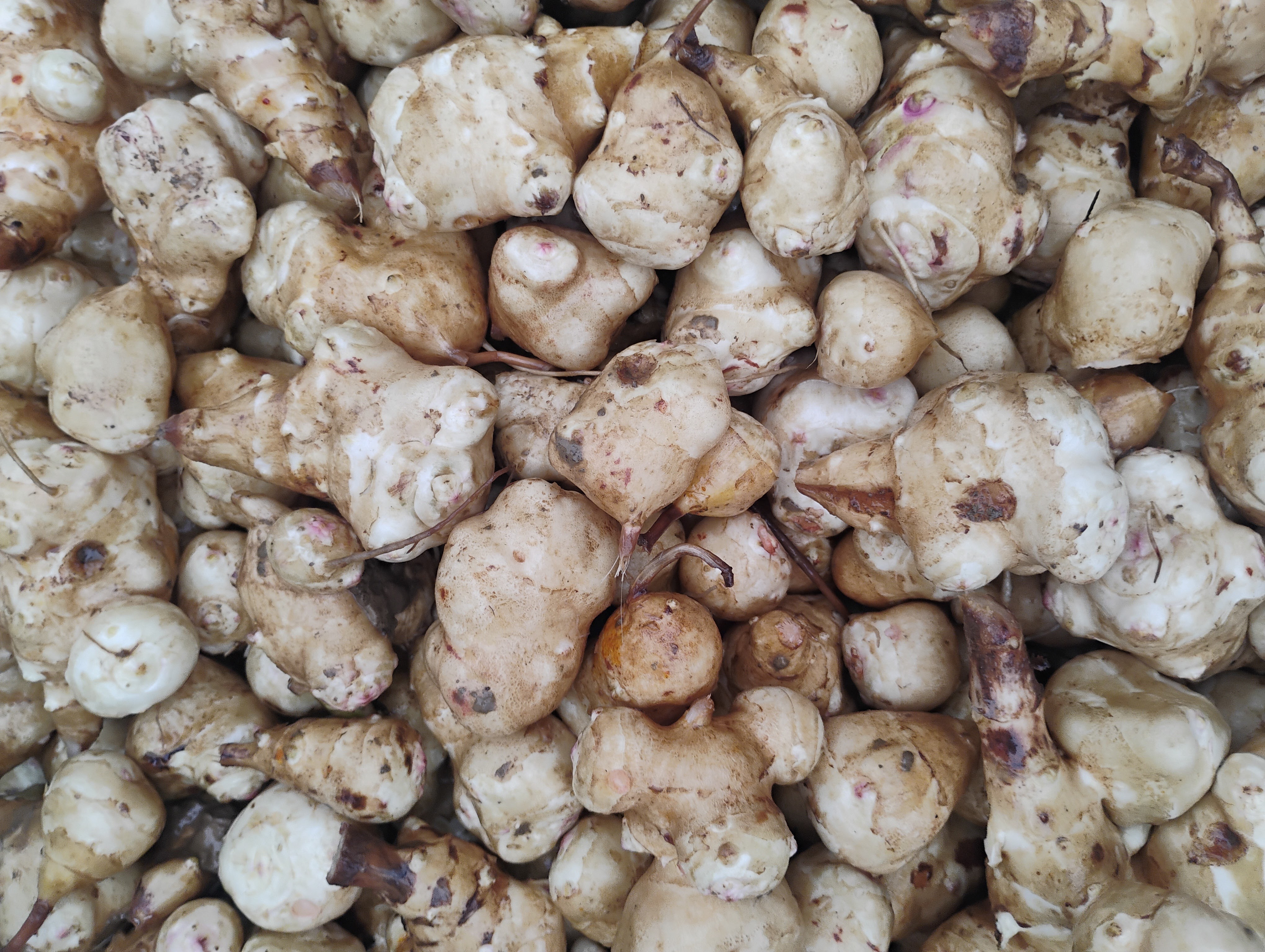
Sunchokes were originially planted into fabric at 1′ spaceing. Since, the fabric has been removed and the edges on either side of the rows gets tilled a few times a year to keep them from spreading. They’ve been very abundant, getting pounds per a plant. Later in the year the sunchokes work as a windbreak with a great amount of plant debris leftbehind after the season as a soil builder. In fact, also due to the rodents who love to eat the tubers overwinter, the sunchoke row seems to be the most fertile and worm dense in the whole field. It would be amazing to be able to cover crop with them if they weren’t so difficult to remove from an area. Though I’ve found that unearthing them in the winter is a great way to freeze-kill them to lower their population.

Potatoes
Potatoes are one of the primary subsistence crops we grow. We’ve learned that they are great to not harvest thoroughly. Leaving some behind lets them overwinter and resprout early the following year. I haven’t found too many potato varieities to not be too good at perennializing a bed. This practice was started after dealing with so many potatoes as weeds over the years, that it seemed worthwhile to attempt to grow them in naturalized style plots. The biggest problem is how they attract rodents, making it better sometimes to just bring them inside during the winter. Sometimes the rodents can be really thorough and wipe an area out. The main potatoes we grow are La Ratte fingerlings, for their incredible flavor and characteristics, a hefty Yukon style because of our love for french fries, and a Peruvian purple one that got dumped on us from another farmer who was insistant we take them because they overwinter really well.
We also recently got into growing potatoes from true seeds. While none of our plants as far as we know have put out seeds apparently a plant at Oikos Tree Crops did, and they saved them and grew them out. Now with oue own potatoes with potentially male-fertileness, we are regrowing the seeds and tubers as we select along the variations that come out of it as opposed to the usual practice of potato clones.
 Pittsburgh County Fair