Fermented Method of Homemade Tomato Paste

Uncategorized

The first tomato paste I ever tried to make was a romantic pursuit involving crushing the tomatoes and laying them out in the late summer sun to gently dry. While it didn’t turn out as I hoped, the flies loved it. With the second attempt I tried cooking the tomatoes down on the stove top then roasting them in the oven on low heat for what seemed like an eternity. For the perfect combo of quick and romance of fermentation there is this wonderful method.

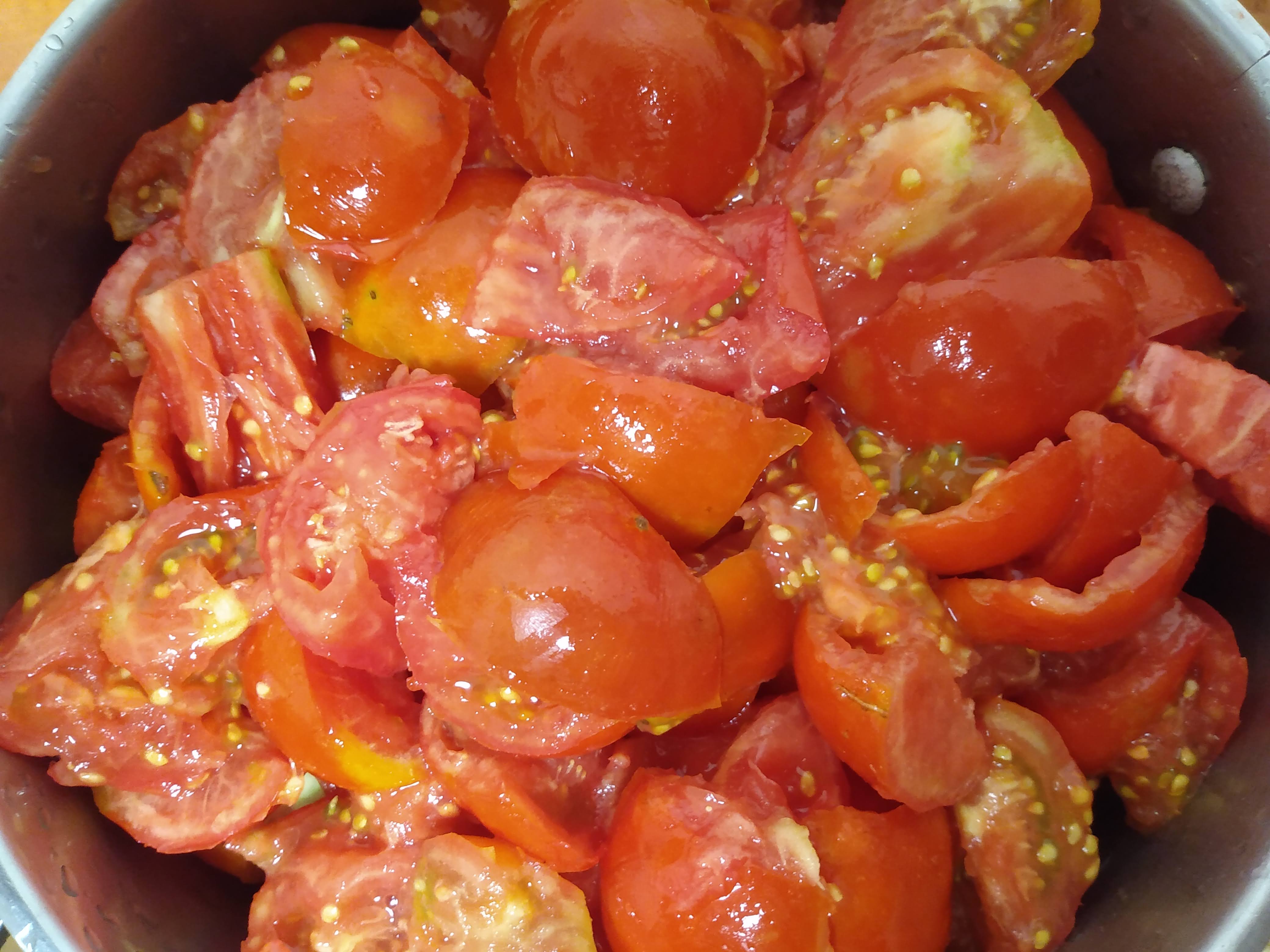
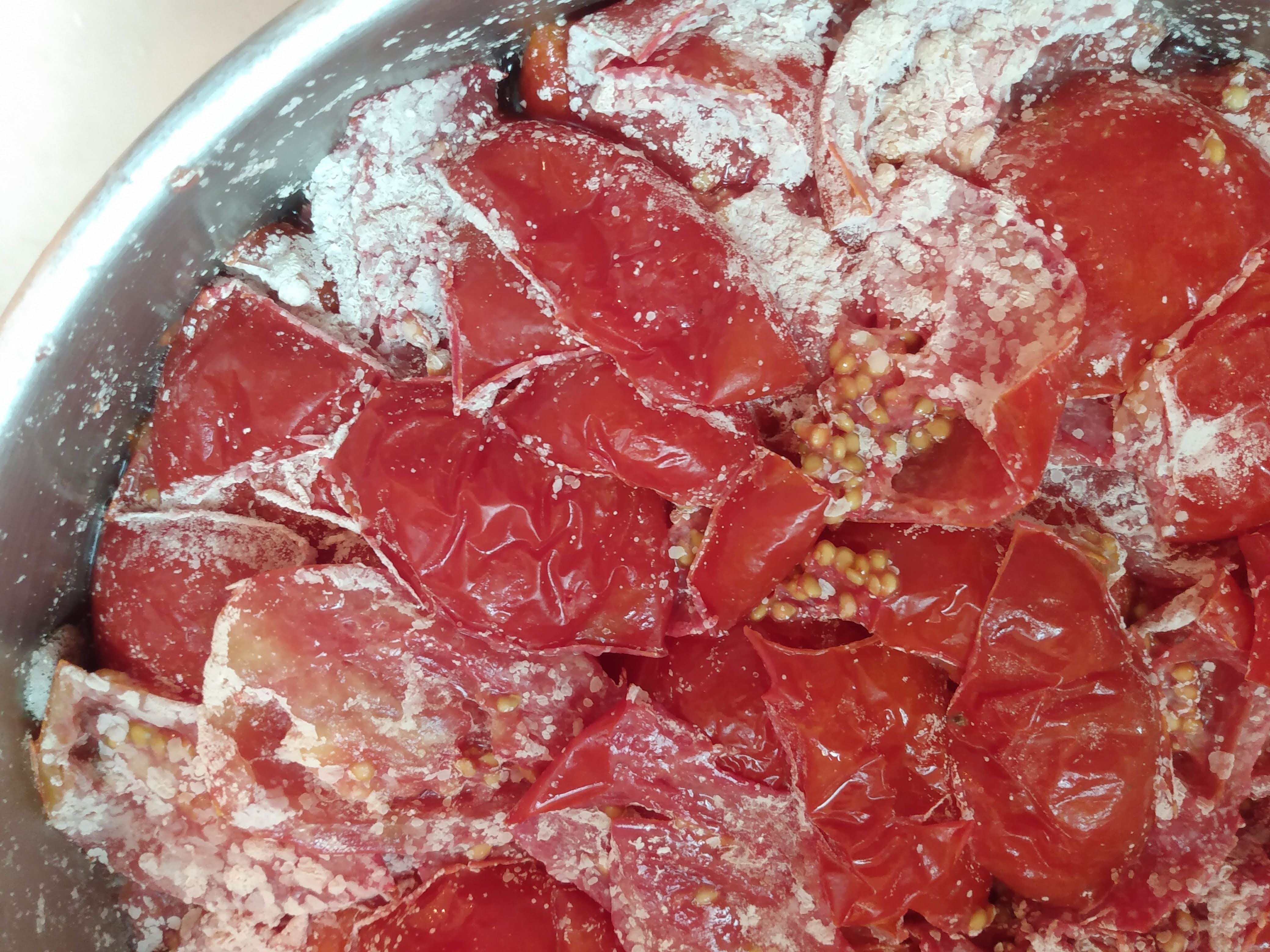
Start by cutting up the tomatoes and placing them into a container to ferment in. Nothing else needs added, just leave at room temperature with a secure covering- cloth or otherwise, for 3-7 days.

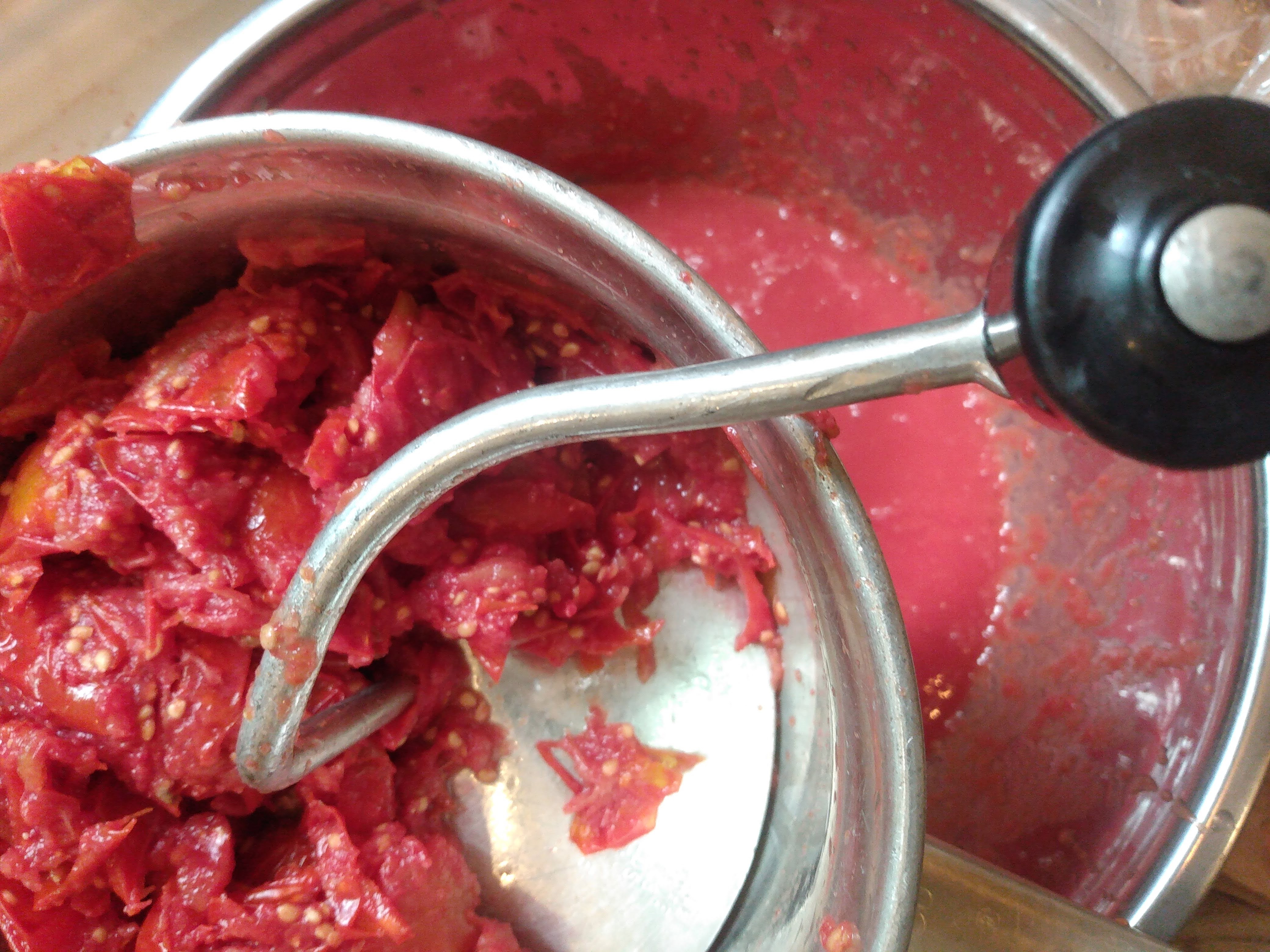
The fermentation will separate the water from the solids to the point that you can hand scoop out the tomato peices leaving behind a big pool of tomato water. Run the tomato bits through a food mill to get the seeds and skins out.

Then strain the solids to the consistency of paste you desire. When it’s done you can mix in some salt or coat the surface with oil after its packed in a jar to help a little with preserving- or leave it as is. Keep in mind that it’s an alive and active ferment so if you pop on a lid it will produce some gas.

Making Old Fashioned Corn Syrup

sugar

Not all plants have a use for the ones that for whatever reason don’t produce fruit. In the case of field corn, any stalk without an ear is prime for turning into corn syrup.

Cut down an earless stalk at the base and give the wound a lick. Hopefully you taste a pleasant sweetness. That is the sugars destined for the ear that had nowhere else to go. If you don’t taste sweetness, wait a little longer and try again. When they are ready, snip off the tassels and tear off the leaves.

Now there are two ways to go from here. The first is the low tech way- snip the corn stalks into smaller pieces, crush them well to access the juices, then put in a pot and add water to cover and boil to extract the sugar. Boil the water down until it’s sweet then strain out the solids. Finish boiling into a syrup. 

The more high-tech way is to use a sugar cane press where you simply run the stalks through the press and the resulting liquid can be boiled down into syrup.

In both cases the sugar to water ratio is similar to making maple syrup (about 40:1), therefore you’ll need quite a few stalks to make a decent amount of syrup.

The more high tech way is to use a sugar cane press where you simply run the stalks through the press and the resulting liquid can be boiled down into syrup.

In both cases the sugar to water ratio is similar to making maple syrup. (What is that like 60:1 if I remember correctly.) Therefore you’ll need quite a few stalks to make a decent amount of syrup.

Making a Jam & Jelly Tradition

fruit, sugar

The first jelly I ever made was out of the wild foraging legend Euell Gibbons’ book Stalking the Wild Asparagus. It was made from elderberry and sumac. And forever after making jelly and jam has been lashed tightly to such wild adventures as sudden stops along country roads and climbing up forgotten hillsides around the city in search of clearings covered in berries.

Fruit and berries, as we know, are among the most fleeting of the fleet, so preserving such limited time special flavors is special to the utmost. Due to their higher sugar content, mashing them up with enough liquid gives us a soda, a brew, and/ or ultimately vinegar. All of those products are expressions of the fruit or berry with the soft or hard kiss of fermentation attached to it. To preserve fruit’s fresher summery personality here comes more sugar.

70 degrees brix is the amount of sugar content honey needs to resist spoilage. A ripe apple alone only has upwards of maybe around 13 brix. By boiling the fruit we can concentrate the sugars, while also, naturally, adding sugar to also bump up the brix.

Jam

Jam is the fruit or berry cooked down slowly. To make it simply cook down the fruit (perhaps with a splash of water as necessary to keep it from burning) then add as much or as little sugar as you wish until it is dissolved, you may even add none. The more sugar the better it will be at preserving. 1:1 fruit to sugar is common, but too sweet for me. Gosh, I wanna be able to taste the fruit still, so 1: 1/2 suits me better if I do add some. Adding a slight pinch of salt too really lifts the flavor better than not.

Pectin

Those familiar with jelly making are likely aware of the distinct difference between jelly and jam and that’s the added ingredient of pectin. Pectin is a naturally occurring plant fiber that creates that gelatin “set” character rather than jam’s oozy one. Some ingredients contain enough of their own pectin that no additional pectin needs to be added. Most commonly we’ll head to the grocery stores to get little packets of it in powdered form when we’re attempting to make a jelly with something lacking ample enough pectin to set itself. However with some planning this isn’t absolutely necessary. Taking the fruits naturally high in pectin like underripe apples, rosehips, cranberries, and the rind of grapefruits, oranges, and lemons we can make our own. The first packaged pectin was made from scraps leftover from a large apple juice producer. Here’s the technique:

Chop up fruit scraps like cores, peels, and peices- everything- and place in a pot with enough water until it’s not quite covered. Bring to a boil, then take your time simmering everything until the apple parts are good and mushy. Then let it strain in a suspended cheesecloth overnight. The remaining liquid is your pectin that should work with about ¼ cup per a cup of jelly- though that’s a pretty open-ended estimate.

The downside to adding pectin whether powdered or homemade is that it will take on some of the flavor, which in a storebought sense is sort of tart appley. The upside is that we can make jelly out of anything- kombucha, coffee, wine, flower syrups…

Jelly

To make jelly, fruits and berries that have their own pectin first need boiled down to mush in order to access it, but regardless this generally goes for whatever you’re working with. Add enough water to cover your fruit and boil and simmer until the flavors are released. Then strain out the solids and the resulting juice can be measured then reboiled with roughly a 1:1 ratio of sugar. Whisk in pectin if needed. If using a storebought packet, follow their instructions. Check the “set” of the jelly by cooling off a small scoop of it on a metal spoon and popping it in the fridge or freezer to see if a film develops. Continue to simmer it until reaching the desired set.

Both jam and jelly can be preserved in jars passed through a hot water bath or just popped into the fridge. If a little mold pops up on the surface it’s usually no big deal to just scrape it off.

Continuous Sour Pickles

Vegetable Fermentation

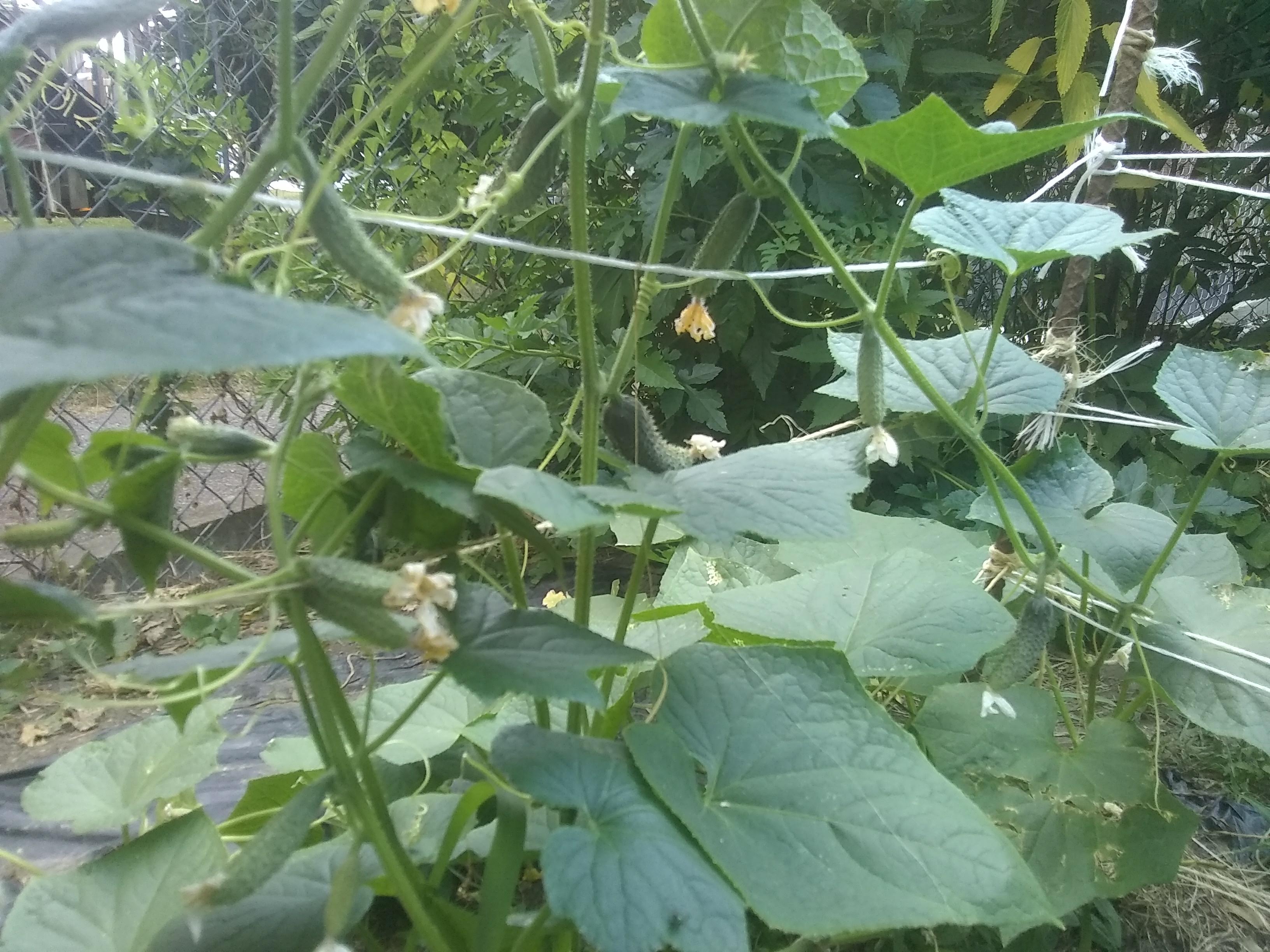
In my backyard at home I have four pickling cucumber plants that are giving round about 6-12 cucumbers a day or so right now. Those 6 or so picked nice and small fit perfectly in a pint jar and make it easy to do sour pickles one jar at a time as the cucumbers roll in. Since there’s the summer heat to contend with and I want a crisp pickle we’ll let the fermenting just get started at room temperature then turn to the refrigerator for a long slow souring process. Additionally, I do not like to cut them open as the seed pod and inner flesh risks getting mushy.

Process

Pack as many little cucumbers into your jar as you can manage.

Add a clove of garlic and a handful of fresh herbs like dill and cilantro to each jar. Add as much salt as is your preference. For a moderately salty pickle add 2-3 TBS of salt per a quart. That will hit about the 3.6- 5.2% salinity which is pretty tasty.

Cover everything with water and fasten the lid securely.

Leave it out on counter for 3 days, or until you notice some vigorous bubbling activity. If you’re using a lid with a pop top, I like to use that as an indicator. When the lid is bulging it’s ready for the fridge, where you can move it to the back and forget about it until some time later in the winter.

Enjoy!

Strawberry Amazake

fermentation

Amazake is a Japanese sweet beverage/ porridge made from koji mold and grain that can be reminiscent of a smoothie. (Mold smoothie? Yum.) Amazake is easy to make, wonderfully delicious, as well as vegan and sugar free. Its unique earthy sweetness is provided by enzymes in the koji that saccharify the grain starches into sugars. It is the infant state of sake and mirin, as amazake is the stage where sugars are being made to later convert into alcohol.

Making amazake is just mixing koji, a cooked grain, and water, and letting it incubate in a jar or sealed container for around 6-12 hours. The ratio of ingredients can be changed to your preference but a good starting place is 1:1.5:3/ koji: cooked grain: water. Incubation needs to be on the warmer side, ~120-140 degrees, as the higher temperatures are what activates sweeter results.

This is definitely a good “taste as it moves along” type recipe as you find your perfect “sweet spot.” An over mature amazake will start tasting sour (alcoholic).

When you have the amazake of your dreams incubated you can just pop it in the fridge to put the brakes on the fermentation. It’ll likely keep creeping along but you probably have a few days before it starts souring. For a refreshing summer smoothie give it a blitz in the blender, but if you do, why not also toss in a couple strawberries or whatever else you have on hand? Yum.

It’s also possible to make amazake from leftover grains from dinner as well as things like oat “milk.” To sweeten and inoculate your favorite non-dairy “milk” do a 1:3 ration of koji to “milk” and follow the same procedure.

Need some koji? Buy some online or get some spores to make your own.

Fermented Nettle for the Garden

farm, fermentation

If you take the stinging nettle season very seriously- as I hope you do- we previously mentioned a couple of ways to preserve them, but now it’s high time to transition with the plant as it grows. Personally I’ll never pick anything taller than my knee and here in Pittsburgh stop right around May 1st. After this point the tender leaves and stems will become courser as the stem elongates and she prepares to flower and set seed. Let’s let that happen and let the seeds drop too, then we can cut down the tall stalks to use as an all-purpose fertilizer for our gardens. We’ll be trying out in earnest this year making some fiber from them too, which we hope using this technique will produce some good results.

Stinging nettles contain a wide span of nutrients leafy green plants love such as potassium, phosphorus, calcium, and magnesium. By doing a basic ferment those nutrients are released for easier access. The liquid can be dumped at the foot of a plant or sprayed on the leaves for foliar feeding. This fertilizer is best for leafy green plants or plants in their growth stage, that is, before showing any signs of transitioning to flowering.

The process is easy. Cut down the tall nettles and stuff em in a bucket. Cover them with water, with rainwater being best, and let get good and stinky (outside naturally). Use anytime really. Depending on conditions we tend to start using it once the plant looks good and broken down and use a sprayer to foliar feed a lot of crops. It’s really satisfying to leave the farm behind in a cloud of stink.

Preserving Foraged Flowers- Syrup & Drying

sugar

Late spring is a tremendous time of year when at any given time your olfactory can be flooded by an unsuspecting intoxicating plume. From roses and elderflowers (two personal favorite flavors), to dandelions and liden- there is a world of flavors wafting in the breeze. Making syrup from them is a way to preserve their fresh flavors for as many uses as you can muster.

Syrup Process

Remove as many green parts as you feel like by hand. Place flowers in a bowl and add enough water to cover. *The quantities of everything here are pretty relative, as who knows how much you get, etc.

Cold steep in the fridge for 24 or so hours. This method of extracting the flower flavor I think is the best. The cold temp successfully grabs the flower essence without taking on any planty or bitter flavors from the other plant parts, but also means you don’t have to be too thorough when removing the green parts.

Strain & measure your perfumed water. Add equal parts sugar and set them to simmer to not only reduce to a syrup but to concentrate the flower flavor. 

When you get to the consistency of syrup you desire, you can hot-bath can it in a mason jar or just store it in the fridge for quite a while, however be careful, making a little spritzer with seltzer and a dash of fire water is what summer porch sitting is all about, and your flower syrup may disappear quicker than you thought.

Additionally: Let winter get jealous when you pull out your dandelion or rose petals for scones, or other favorite baked good. Dried petals are the champion of brightening up deep winter baking. Why not fill up your cupboard now? If you’re into picking dandelion blossoms but hate separating them from the green parts just let them dry first and the petals pull out with ease.

Another thought: Try steeping your flowers in cream to either spin into ice cream, or use it in your coffee for whatever the people are into these days- lavender latte?

Homemade Cream Cheese

dairy, fermentation

Cream cheese is another very simple cheese that is worth making if you’re able to get your hands on some really good local cream.

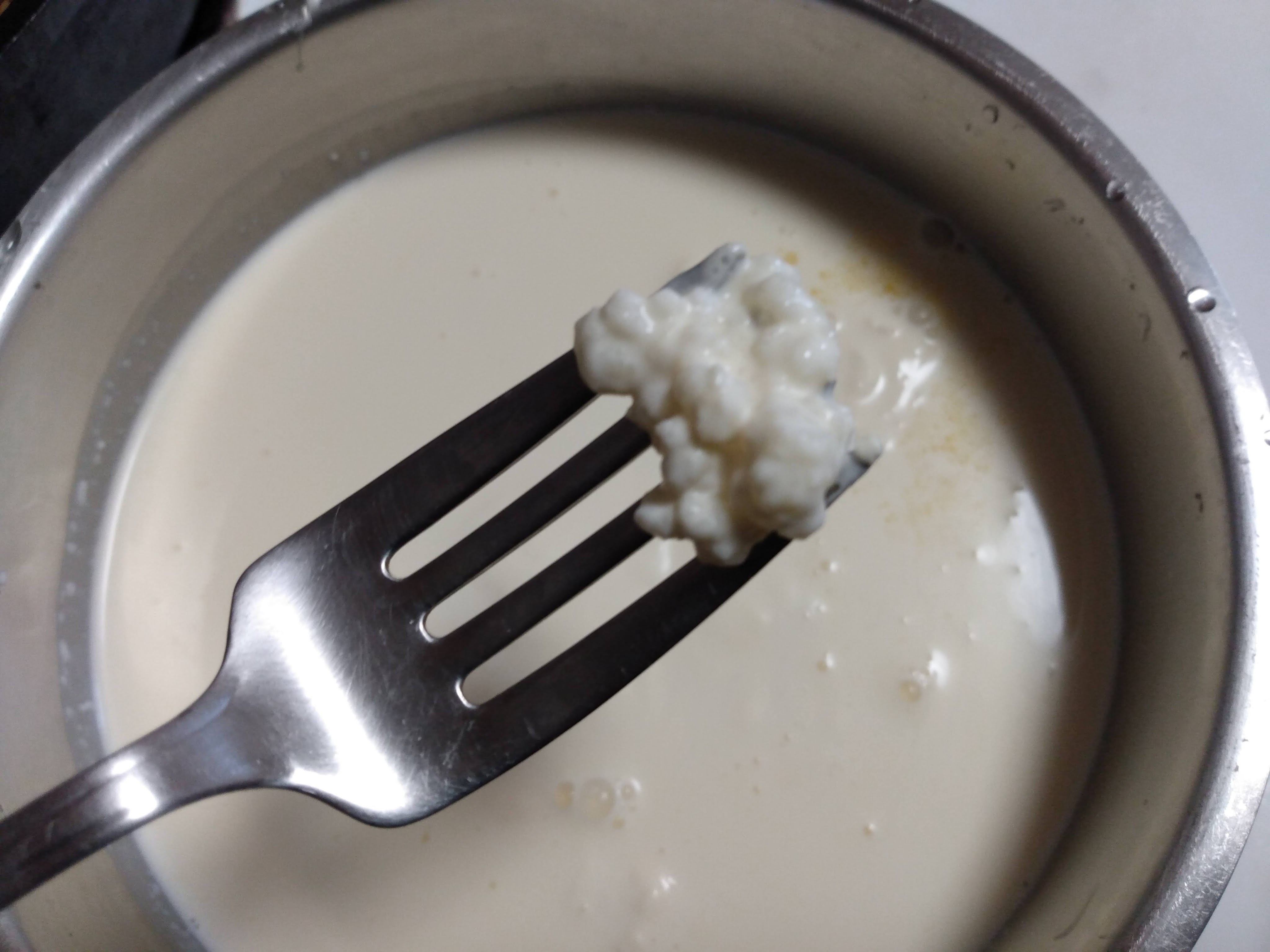
We culture via the David Asher method of using kefir. A simple plop of our kefir into the cream and we’ll let it sit out for a day at room temperature and then strain the grains out before heating. This culturing makes sure that our pasteurized cream has strong populations of the beneficial microbes we need. And perhaps according to your taste preference you can let the culturing go a little longer, or not.

The next step is to warm up the cream gently to a temperature comfortably warm to your finger, or say around 80- 90 degrees. Heat slowly and carefully, then add a small dose of rennet. (Rennet is the curdling agent we need to make this cheese. Here’s a decent source for getting it either derived from animals or vegetables.) We use animal rennet, which is very effective and we use the smallest drop we can get for a pint of cream. The drop is mixed with a 1/4th cup of lukewarm water and then gently stir in and all around for 20 seconds or so. Let the cream settle for an hour or two and it should have a yogurt like consistency, after which we like to plop it in the fridge overnight as we feel it makes a very loose curd a tad firmer for when we get to straining. Is it true? Who knows but nonetheless has evolved into our cream cheese making process.

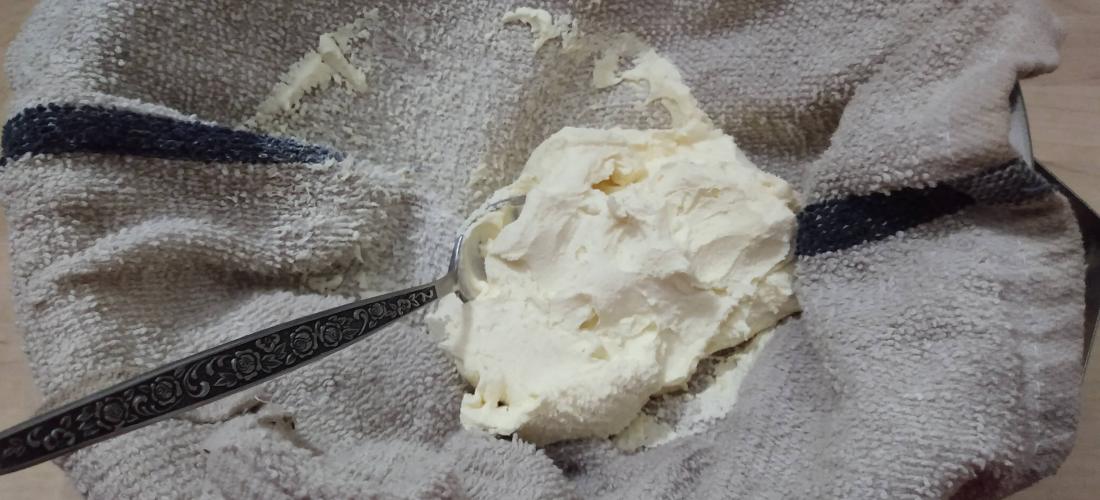
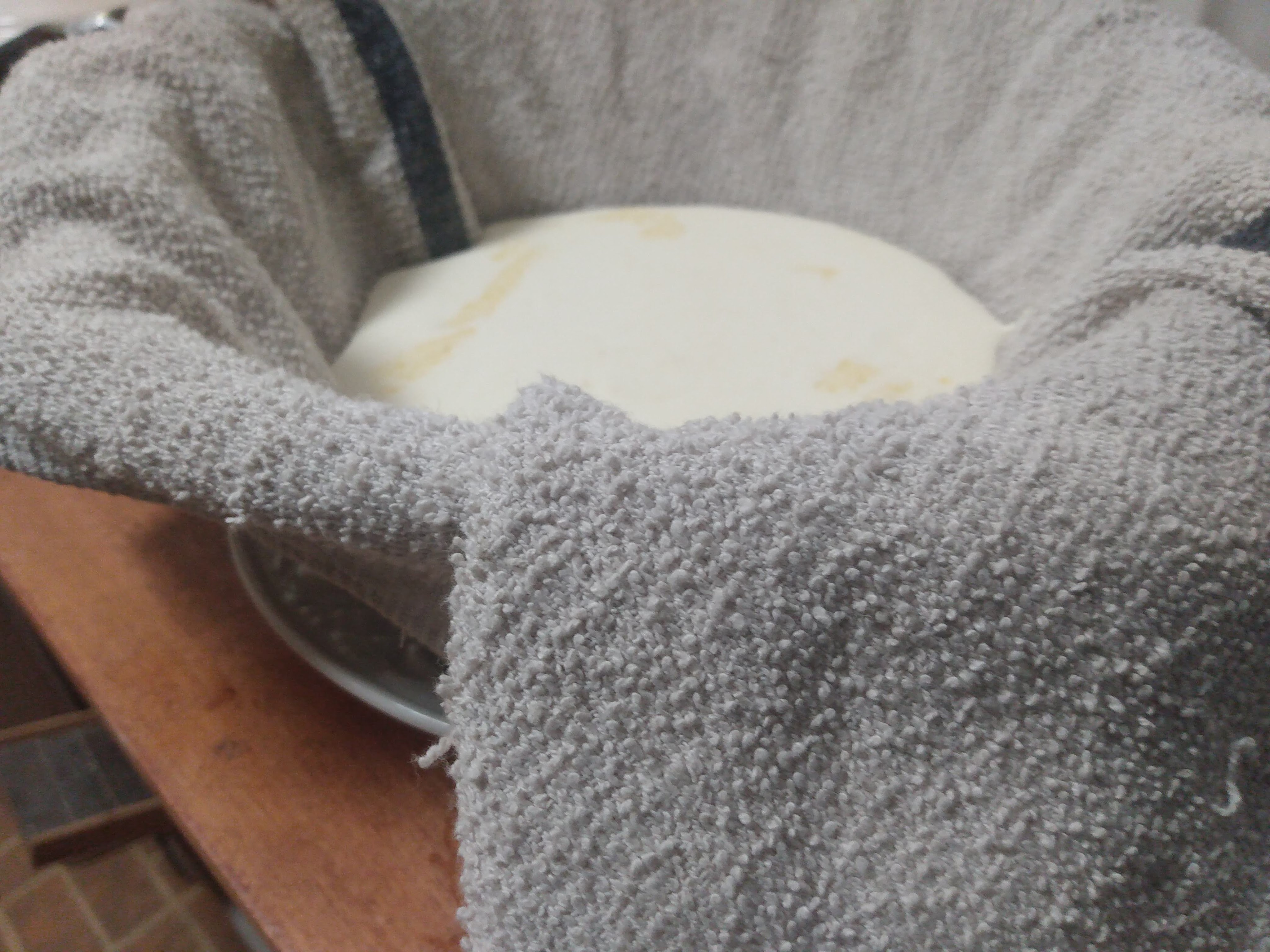
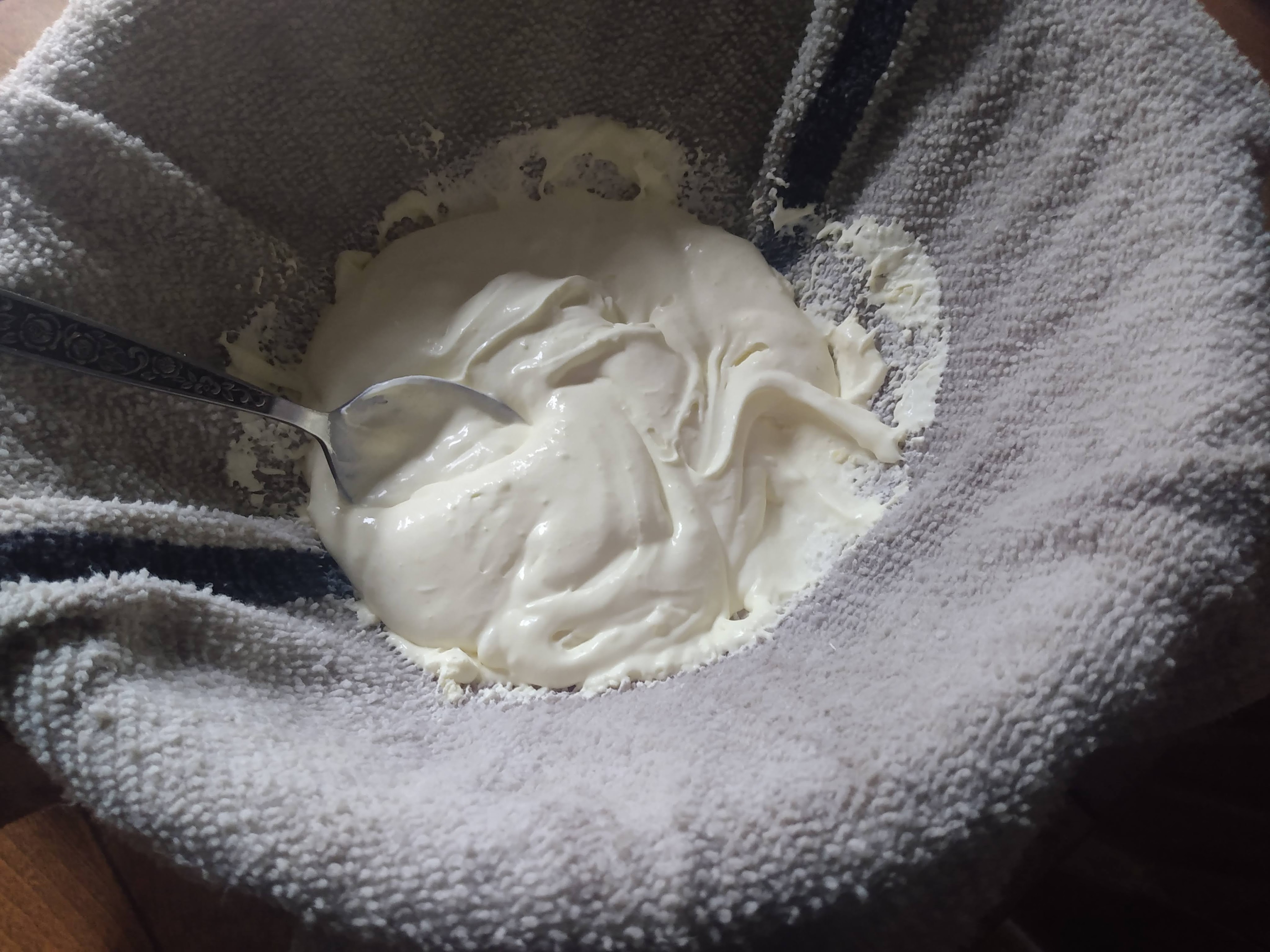
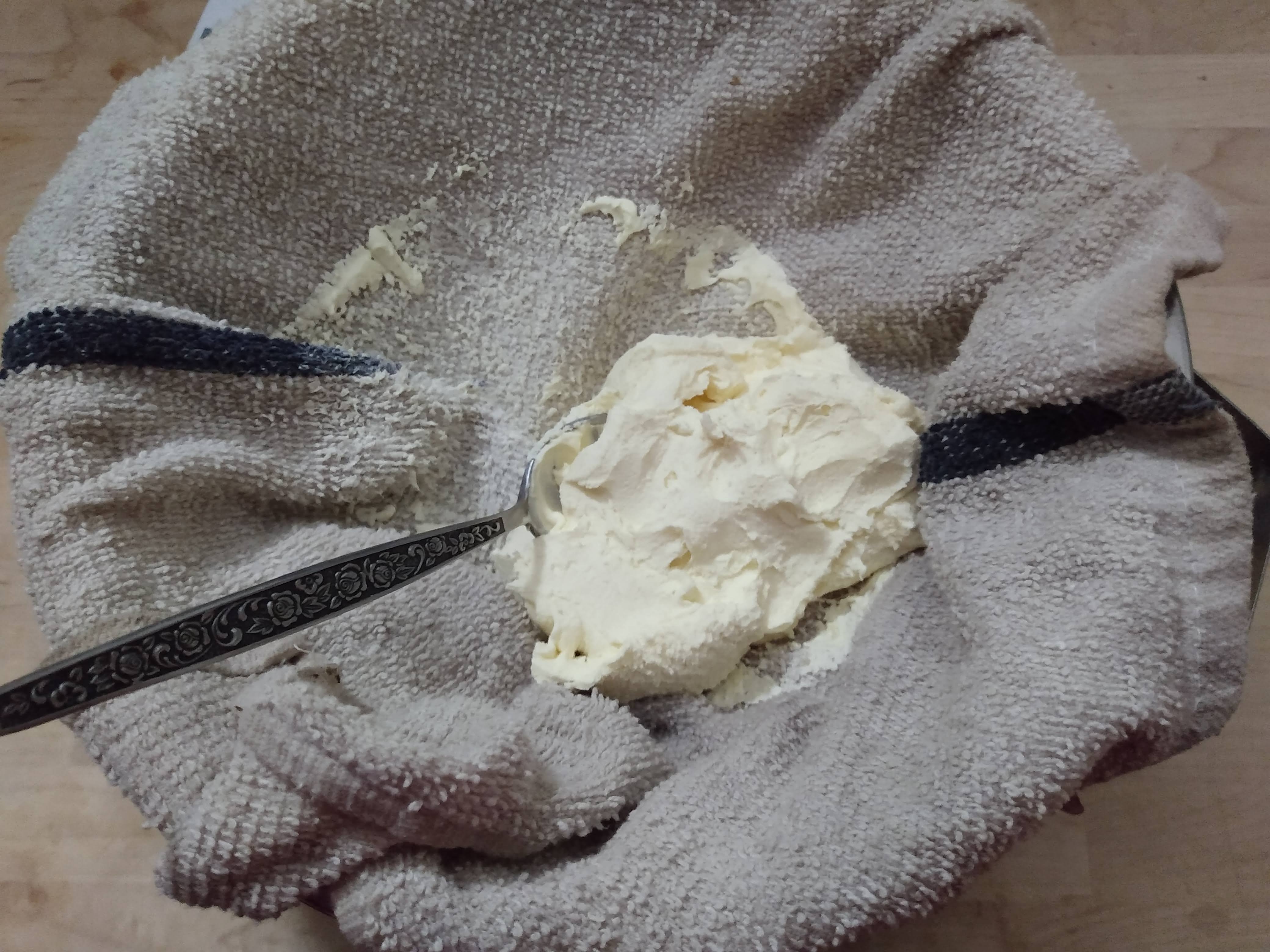
When you’re ready to start straining prepare your set-up such as laying a towel, or even just a ink-less t-shirt over a colander with a bowl underneath. After carefully ladling in the cream, pop it in the fridge to slowly strain to the thickness you desire while occasionally mixing to encourage an even strain. Often times we’ll let it strain for up to 3 days. As it thickens up you can ball up the cloth and hang it, up to you. Doing things as gently and gradually as possible feels good sometimes.

When the cream cheese is strained to your liking mix in salt to suit your tastes and pack away.

This is a great recipe to dollop on your bigos, or naturally, to pair with your bagels.

Spring Rain Kombucha

fermentation

There’s an added benefit to a poetic tumble into consumable nature. Who knows what exactly, maybe just a strange feeling of connectedness. (Who couldn’t use a little more non-electrified connectedness?) Eating seasonally is a great start to nurturing a sort of ceremonial significance with what’s happening outside. It can begin as an arrangement of local ingredients on your plate and then expand to things like chasing the first stinging nettles for soup to welcome the coming growing season, or the wondrous moment of your first bite of summer’s tomato on a sandwich, but until it’s interacted with creatively, imbuing it with our emotion, senses, and intuition it doesn’t fully come alive as it deserves to.

Take for instance this whimsical take on kombucha that expands nourishment into intangible realms, that while noted here for our current season of spring, could be replicated any time of the year, with as many variations as you can imagine.

Process

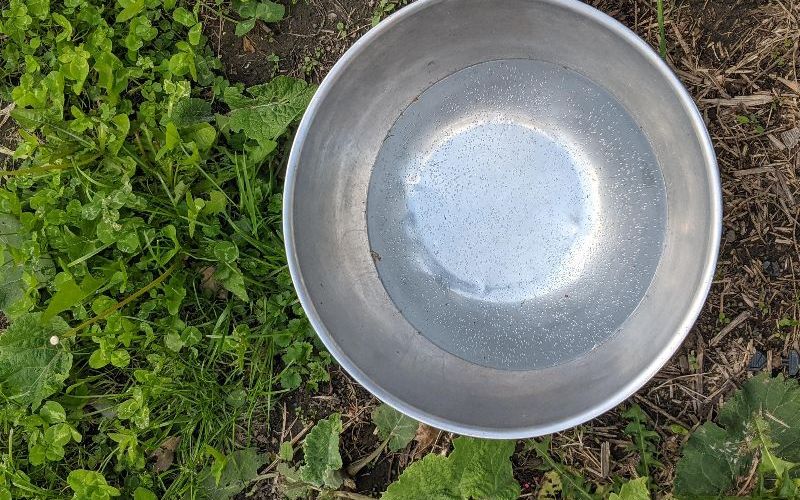
Lay an open, wide vessel outside to collect the rain that is coming on fast over the horizon. Rush out to the woods, or wildest patch of growth near you and pick modest amounts of different edible herbs, possibly in various states of grows (roots, arial, flower, fruit, etc). Whatever is exciting to you. Filling your fermentation vessel with your collected rainwater, add the spring herbs to steep, and perhaps some green tea.

Add your recently made maple syrup, or honey from you bees, or your neighbors bees, or any sweetener meaningful to you or best you can manage and sweeten to your preference. Plop in your SCOBY, affix your cloth covering, and let the brew come bubbling to life, just like the post-rain cricks that trickle down hillsides, feeding the spring herbs around its edges. And lastly, and quite importantly, repeat annually or with each new season as a tradition that grows in significance and strength with each revisit.

Smoked & Marinated Smelt

fish

Reminiscent of your favorite canned fish, this recipe is a nice smokey bite to add to so many meals, its even great for fishing out for a snack.

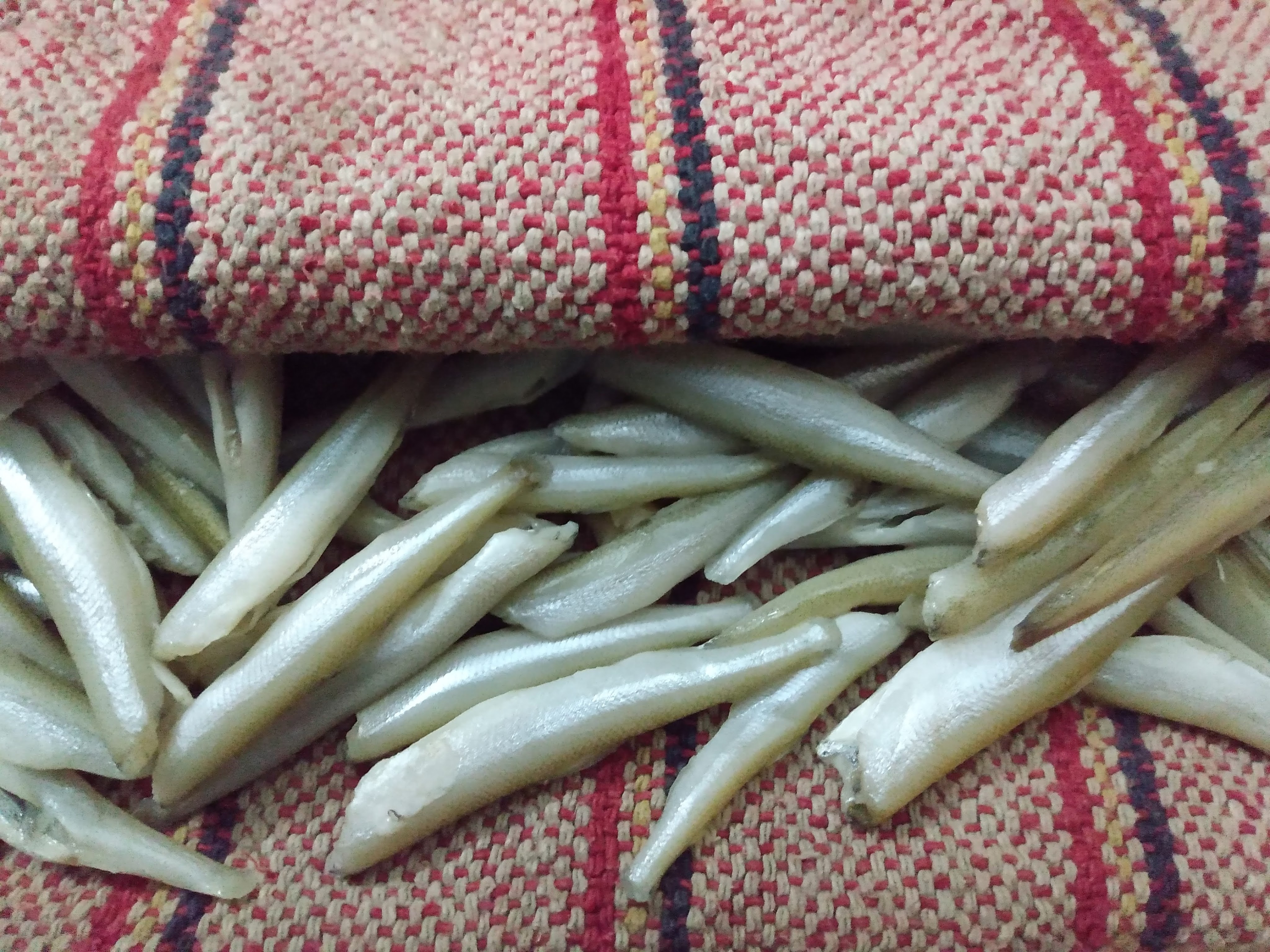
Soak thawed (if frozen) fish in a brine of 3/4 water & 1/4 apple cider vinegar, garlic, salt, and honey to taste, for ~3 hours in the fridge. (Generally for a quart it’ll be a tablespoon salt and a teaspoon of honey with 1 smashed garlic clove.)

A nice trick is to get together the salt, honey, and garlic and add enough piping hot water for it to dissolve, then finish topping it off with cold water so the brine is ready immediately.

Strain and pat the fish with a towel and leave uncovered to dry in the fridge for a couple hours. The smoke sticks best to things tacky to the touch.

Smoke the smelt for ~30 minutes at 175 degrees, or until done. Be careful to not overcook or they will dry out quickly.

In a jar add garlic clove, herbs like thyme, a piece of dried hot pepper, a slice of lemon, and whatever else strikes you. Pack in the smoked fish and cover with olive oil.

Store in the fridge and enjoy on bread with kraut and cream cheese.